Guides
Pest control compliance checklist: transport, wildlife, ADA
Pest control compliance checklist for new owners: pesticide transport, wildlife work, food sites, ADA access and the line on what the firm does not do.
What to take away
- The license is where compliance starts, not where it ends. Vehicles, transport papers, wildlife work, food sites, access and disclaimers each carry a duty of their own.
- The Bureau of Labor Statistics lists driving, pesticide risk and protective gear as part of the job, so each one costs money before the first customer.
- Pesticide transport requirements depend on the product's transport classification and load. Confirm whether the driver needs a CDL hazardous-materials endorsement.
- Nuisance wildlife removal is typically regulated by a state wildlife agency, not the pesticide program.
- Existing facilities are judged by what is readily achievable, and that reaches the office, the website, the phone line and the entry to a home.
- Keep the records by address, because a customer or an inspector will ask for them together.
Requirements turn on your state, your pest, your site and your product label, so confirm current duties with your state pesticide regulatory agency and a licensed applicator. Nothing here is legal, insurance or tax advice, and none of it covers pest identification, product selection, label interpretation or application guidance.
Where the license ends
Certification is federal in framework and state in practice: EPA sets the standards, and your state, tribal or territorial program writes the exam and issues the credential.
FIFRA (the Federal Insecticide, Fungicide, and Rodenticide Act) generally makes it unlawful to use a registered pesticide in a manner inconsistent with its labeling. A credential covers a category, not a company. The licenses a business needs are listed elsewhere, and the licensing and compliance guide covers the rules around them. The duties below sit outside the credential and still apply on day one.
Read the BLS duty list as a staffing plan
The BLS pest control worker description lists these duties and requirements:
- inspection
- pest identification
- estimating
- treatment
- prevention
- driving
- pesticide risk
- protective gear
- on-the-job training
- state licensing
Read that as a staffing list, not a job description. BLS notes that workers are trained in pesticide safety and typically wear protective gear, which may include gloves, goggles and respirators.
Two items on the list cost money before the first customer. Driving means a vehicle and a transport rule. Protective gear and pesticide risk mean training records you can produce, and a pest control employee training checklist shows what such a record can hold.
Vehicles and pesticide transport
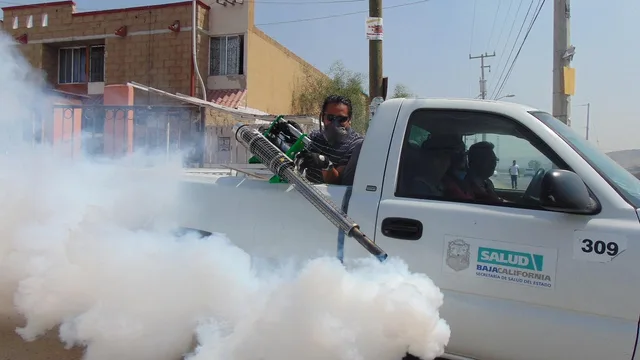
Driving means a vehicle and a transport rule for the pesticides it carries. The Pipeline and Hazardous Materials Safety Administration (PHMSA), within the U.S. Department of Transportation, administers federal Hazardous Materials Regulations.
Depending on the product's transport classification and load, requirements may include compliant packaging, markings, labels, shipping papers, employee training or placards. Confirm whether the driver needs a commercial driver's license (CDL) hazardous-materials endorsement. Keep applicable transport records with the vehicle; requirements depend on the product and load.
Wildlife work has a different authority
Nuisance wildlife removal is typically regulated by a state wildlife agency, not the pesticide program, and the two credentials do not trade. A firm that advertises animal removal needs to know which one it holds.
Treat wildlife as its own line on the launch plan. Ask the state wildlife agency what it requires, write the answer into the file, and keep the approval where the service needs it.
Food-handling facilities add a layer
Work in a restaurant, warehouse or processing plant usually runs through sanitation and food-safety requirements the customer already follows, plus a service schedule the auditor can read. Ask the customer for their rule before you quote.
The approval or documentation a food site wants belongs in the same file as the service agreement. That way the technician arriving at the site and the office answering the auditor are working from one page.
Accessibility reaches the service call
The Justice Department's ADA guide for small businesses says a business serving the public must remove physical barriers that are readily achievable, which means easily accomplishable without much difficulty or expense.
For a pest control firm, that touches the office counter, the website, the phone line and how a technician enters a home where someone uses a wheelchair. Note what you checked and what you changed.
Say what the firm does not do
Every service page should say what the firm does not do. Identification, medical questions after a bite or sting, and structural or wildlife judgements belong with a physician, poison control, a public health authority or the relevant agency.
Put the same line in the service agreement. It keeps a technician from answering a question the firm is not set up to answer.
The order to work through before launch
Do the non-license items in a fixed order, so nothing waits on the day of the first job. Each step produces a record that goes into the file.
- List every service you plan to sell, with the vehicle, the site type and any animals involved.
- Check the transport requirements for each pesticide the vehicle carries.
- Ask the state wildlife agency, or the food-site customer, what each one requires.
- Write the training records for protective gear and pesticide handling.
- Add the disclaimer line and the accessibility notes to the service pages and the agreement.
- File everything by address as well as by service.
An inspection-day file for the non-license items
- DOT/PHMSA transport requirements checked for each pesticide carried, with required shipping papers and other transport records; CDL hazmat endorsement question answered
- Training records for protective gear and pesticide handling
- Wildlife or food-facility approval, where the service needs it
- Insurance certificate for commercial general liability and commercial auto; workers' compensation coverage or exemption documentation, as state law requires
- Accessibility steps for the office, website, phone line and home entry
- Customer agreement with scope, price, access and complaint terms, and the line on what the firm does not do
Keep the file by address as well as by service. When a customer or an inspector asks, the license, the label and the insurance certificate get requested together.
Common questions
Who regulates wildlife removal?
Usually the state wildlife agency rather than the pesticide program. Confirm which credential your service needs before advertising animal removal.
Does the driver need a hazmat endorsement?
That depends on the product's transport classification and load. Confirm whether a CDL hazardous-materials endorsement applies before the first delivery run.
What if a customer asks about a bite or a reaction?
Refer them to a physician or poison control. Pest control firms do not diagnose exposure or treat symptoms, and the service agreement should say so.